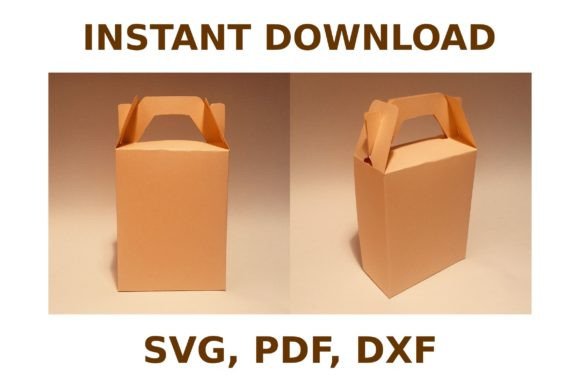
Gable Box Template: A Designer’s Review
As a designer who spends half my life staring at digitized files and the other half watching needles punch through fabric, I have learned to be skeptical of templates. We see thousands of them flood the market, promising ease and elegance, but few hold up under the scrutiny of actual production. When I first pulled the Gable Box Template from its archive, I wasn’t looking for hype. I was looking for utility. I wanted to know if this digital asset could survive the transition from screen to stitch, and more importantly, if it could elevate a handmade product rather than just cluttering it.
The file arrives as a ZIP archive containing SVG, DXF, and PDF formats. For those of us working primarily in machine embroidery, the immediate question is often about compatibility with cutting machines like Silhouette and Cricut, which is clearly stated. However, my interest lay in how these vector paths translate into a physical embroidery project. The description notes that measurements depend on paper size, which is a crucial detail. It implies flexibility, but it also demands that we, as creators, take responsibility for scaling. This is not a plug-and-play solution for the lazy; it is a tool for the intentional.
First Impressions: Structure Meets Softness
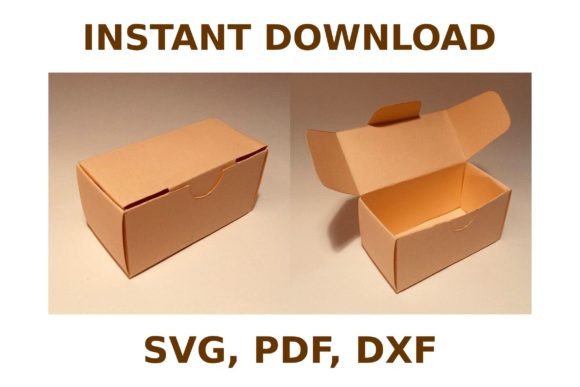
The visual personality of the Gable Box Template is clean and architectural. It belongs to the Shapes category, specifically functioning as a 3D SVG, which suggests depth and dimension. In the context of embroidery, this geometric rigidity offers a fascinating contrast to the organic nature of thread. My first impression was one of balanced minimalism. The lines are crisp, suggesting that if digitized correctly, the satin stitches or running stitches used to outline the box would lie flat and sharp.
I imagined this design not as a standalone centerpiece, but as a structural element in a larger composition. It creates a mood of curated simplicity. It feels at home in modern boutique branding, where less is more. The layout does not scream for attention; instead, it invites the viewer to appreciate the craftsmanship of the stitching itself. This is vital for high-end custom apparel or personalized gifts, where the perceived value comes from the quality of execution rather than the complexity of the graphic.
Real-World Application: The Tote Bag Test
To truly evaluate a design, you must place it in a real-life scenario. I recently worked on a collection of canvas tote bags for a local artisan market. The goal was to create a tote bag design that felt premium but remained durable. I considered using the Gable Box Template as a framing device for a small monogram or a simple botanical motif.
The result was surprisingly effective. The box shape provided a defined boundary that helped organize the visual space on the large, blank canvas of the bag. Because the template is essentially a 3D representation, it added a subtle illusion of depth without requiring dense fill stitches that might stiffen the fabric. For an Etsy seller or small shop product line, this kind of versatility is gold. It allows for consistent branding across different items. You can use the same box shape on a sweatshirt embroidery project, scaling it down for the chest pocket, and then scale it up for a pillow cover, maintaining brand consistency without repetitive boredom.
However, the application requires thought. On a curved surface like a cap, the straight lines of the gable box would need careful hooping to avoid distortion. On stretchy fabrics, such as those used in baby embroidery or athletic wear, the rigid geometry might pucker if the stitch density is too high. This is where the designer’s eye must intervene. We must adjust the underlay and ensure the stabilizer is robust enough to support the structural integrity of the box shape.
Navigating Technical Challenges
While the Gable Box Template is elegant, it is not without its pitfalls. The sharp corners of the box are the most critical areas. In machine embroidery, sharp angles are notorious for causing thread breaks or uneven tension if not digitized with proper turn commands. If you are converting this SVG into an embroidery file yourself, pay close attention to these nodes. A slight rounding of the interior corners can save you hours of frustration during production.
Furthermore, consider the fabric texture. On a textured linen or a thick towel, fine details can get lost. The template’s effectiveness relies on clarity. If you are working on dark fabric, ensure your thread colors provide sufficient contrast. A low-contrast thread on a dark background will make the box look muddy rather than defined. I always recommend testing the design on scrap fabric first. Check how the light hits the stitches. Does the 3D effect read clearly, or does it flatten out?
For those considering this for commercial embroidery or high-volume orders, remember that time is money. A design that looks simple on screen might require slow stitching speeds to maintain corner precision. Factor this into your pricing. Also, verify the licensing terms. While the product description mentions compatibility and file types, it does not explicitly state commercial rights for the digitized embroidery file itself. Always confirm whether you are licensed to sell the finished product or if you need an extended license for design assets used in mass production.
Enhancing Product Value and Trust
Why choose this specific template over a free clipart box? The answer lies in professionalism. A well-tested template ensures that the proportions are mathematically sound. When customers see a symmetrical, cleanly stitched box on their holiday embroidery gift or their new apron, they subconsciously register quality. It builds trust. It signals that the maker cares about the details.
In the world of handmade products, presentation is everything. Using a structured element like the Gable Box Template can elevate a simple item into a boutique-worthy piece. It works exceptionally well for printable mockups as well. Before you even stitch a single thread, you can place the SVG into your digital previews to show clients exactly how the final finished product will look. This reduces back-and-forth communication and increases buyer engagement.
Practical Notes for the Embroiderer
- Test on Scraps: Never run a new design directly on your final garment. Use similar fabric weights to test tension and density.
- Check Contrast: Ensure your thread choice stands out against the fabric, especially for geometric shapes that rely on line clarity.
- Stabilizer Selection: Use a cut-away stabilizer for stretchy fabrics to prevent the box shape from distorting over time.
- Scale Appropriately: Remember that measurements depend on your setup. Ensure the box is large enough to be seen but small enough to fit your hoop.
- Inspect Corners: Zoom in on your digitizing software. Ensure the needle penetrations at the corners are optimized to prevent bunching.
In conclusion, the Gable Box Template is a solid addition to any designer’s library. It is not just a shape; it is a framework for creativity. Whether you are creating applique design elements for children's clothing or sophisticated logos for corporate gifts, this template offers the structural reliability needed for professional results. Just remember to respect the material, check your settings, and let the quality of your stitching do the talking.