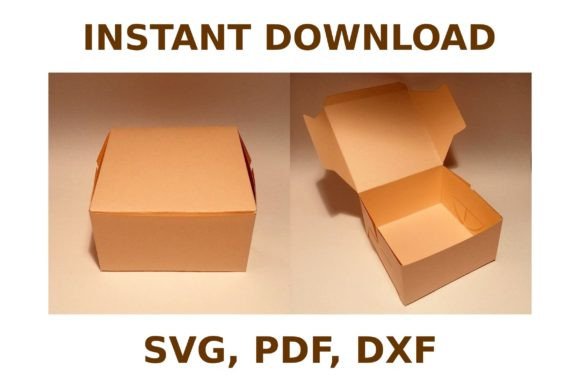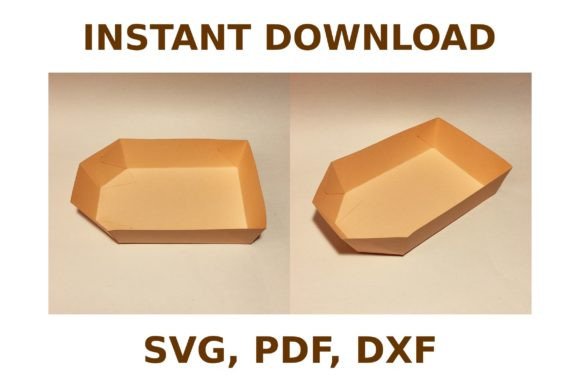
Cookie Tray Template: A Designer’s Practical Review
As an embroidery designer who spends more time staring at stitch simulations than I care to admit, I have learned that not every digital file translates well to thread. Some designs look crisp on a screen but turn into a tangled mess of bobbin thread on fabric. When I first opened the Cookie Tray Template, my initial reaction was one of cautious optimism. It sits in the Shapes category, which often implies simplicity, but simplicity is where the true test of a designer’s skill lies. This isn’t just a basic outline; it is a structured 3D SVG asset that promises versatility for both cutting machines and, with some creative adaptation, embroidery projects.
First Impressions and Visual Personality
The mood of this template is warm, domestic, and inviting. It evokes the feeling of a fresh batch of cookies cooling on a rack or a thoughtful homemade gift being prepared for a neighbor. Visually, the layout is clean. The lines are distinct, which is crucial when you are trying to maintain clarity in a machine embroidery design. For those of us who create design assets for small businesses, the visual personality here is key. It doesn’t scream for attention with chaotic details; instead, it offers a sturdy, recognizable silhouette that works well for branding.
I appreciated that the Cookie Tray Template avoids overly intricate corners that often cause needle breaks or thread bunching. In embroidery, we constantly battle against the limitations of the hoop and the fabric. A shape that is too complex for its size will always fail. This template feels balanced. It has enough presence to be seen from a distance, making it ideal for items like tote bag design projects or large sweatshirt embroidery placements, yet it remains simple enough to be scaled down for smaller accents without losing its identity.
Real-World Application: The Custom Tote Scenario
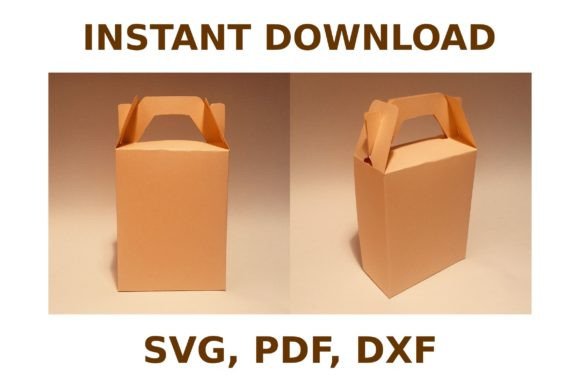
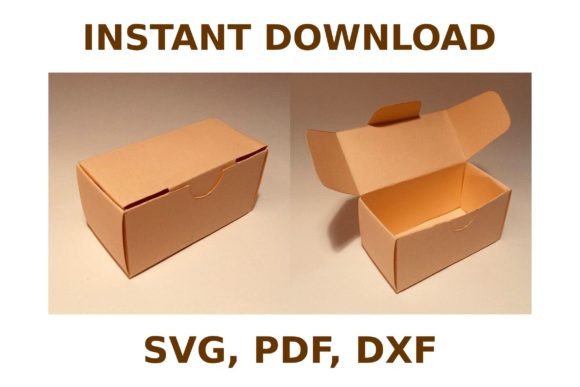
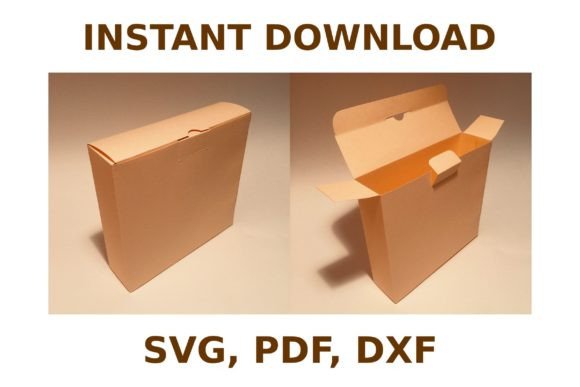
To truly evaluate a file, I mentally place it into a real-life production scenario. Imagine a client requesting a set of reusable market bags for their local bakery. They want something charming but professional. Here, the Cookie Tray Template shines as a central motif. Because the archive contains SVG, DXF, and PDF files, I can use the vector data to create a precise printable mockup for the client before I even thread the machine. This saves hours of back-and-forth communication.
For the actual stitching, I would likely treat this as an applique design rather than a full fill. Using a contrasting fabric for the tray itself, outlined with a neat satin stitch, would give the project a textured, high-end look. This approach reduces stitch density, which is vital for tote bags made of canvas or cotton twill. High-density fills on flexible fabrics can cause puckering, ruining the finished product. By using the template as a guide for applique, I maintain the structural integrity of the bag while adding a playful, custom touch. This is exactly the kind of practical thinking that separates a hobbyist from a serious Etsy seller.
Versatility Across Product Lines
Beyond tote bags, this template has legs in other areas of commercial embroidery. Consider baby embroidery on a bib or a onesie. The rounded, soft nature of a cookie tray fits the nursery aesthetic perfectly. However, caution is needed. When working on stretchy fabrics like jersey knits, the stability of the design is paramount. I would recommend using a cut-away stabilizer to ensure the shape doesn’t distort after washing. The template’s clean lines allow for easy digitizing into a running stitch outline if a subtle, minimalist look is desired for high-end boutique clothing.
For holiday embroidery, this shape is a natural fit. Pair it with seasonal elements like snowflakes or holly, and it becomes a versatile December bestseller. It also works wonderfully for personalized gift items, such as kitchen towels or aprons. The PDF included in the zip allows for easy printing and tracing if you are hand-embroidering or creating a mixed-media piece. This multi-format availability is a significant plus for craft business owners who may use different tools for different stages of production.
Technical Considerations and Potential Pitfalls
While the Cookie Tray Template is robust, it is not without its constraints. As a reviewer, I must point out where things could go wrong. First, the description notes that measurements depend on paper size. This is critical. You cannot assume a standard hoop fit. Before committing to a large run of custom apparel, you must verify the dimensions against your specific hoop size. If you attempt to scale it up too much for a large blanket without adjusting the stitch parameters, you risk long jumps and loose threads.
Secondly, consider the fabric texture. On highly textured fabrics like terry cloth or wool, fine details can get lost. Since this is a 3D SVG intended for cutting compatibility, the lines are sharp. In embroidery, sharp lines on fuzzy fabric require careful digitizing. You may need to increase the width of your satin stitch borders to ensure they sit on top of the fabric pile rather than sinking into it. Additionally, if you are using this on dark fabric, ensure your thread colors have enough contrast. A low-contrast design on a dark background can look muddy and unprofessional, diminishing the perceived value of your handmade product.
Designer Notes for Best Results
If you are planning to use this template in your next embroidery project, here are my practical recommendations:
- Test on Scrap Fabric: Never skip this step. Stitch the design on the same type of fabric you intend to use for the final product to check for puckering or registration issues.
- Check Stitch Density: If you convert the SVG to an embroidery file, monitor the density. Too many stitches in a small area will perforate the fabric, especially on lighter materials.
- Verify Licensing: While the files are tested for quality, always confirm the license terms. Can you sell the finished product? Can you use the digital file in a composite design? Clarity here protects your small shop product line from legal issues.
- Mockup in Black and White: Remove color from your digital preview. If the design holds up in grayscale, it has strong structural integrity. If it looks confusing without color, it may rely too heavily on shading rather than shape.
- Stabilizer Selection: Match your stabilizer to your fabric. Use tear-away for stable wovens and cut-away for knits. The right foundation ensures the Cookie Tray Template looks crisp and professional.
Final Verdict on Commercial Viability
In the world of digital embroidery file sales and custom manufacturing, reliability is currency. The Cookie Tray Template offers a solid foundation for creators. It is not overly complicated, which reduces production time and error rates. For apparel decorators and creative entrepreneurs, this means higher profit margins and happier customers. The inclusion of DXF and SVG formats makes it compatible with Silhouette and Cricut, broadening its utility beyond just embroidery machines. This cross-platform compatibility is a huge advantage for makers who offer mixed-media products.
Ultimately, this template earns its place in my library not because it is flashy, but because it is functional. It respects the limitations of the medium while offering enough charm to engage buyers. Whether you are creating a single personalized gift or scaling up for a holiday rush, this design provides the consistency needed for professional results. Just remember to respect the technical requirements of your chosen fabric and hoop, and you will find this asset to be a reliable partner in your creative workflow.