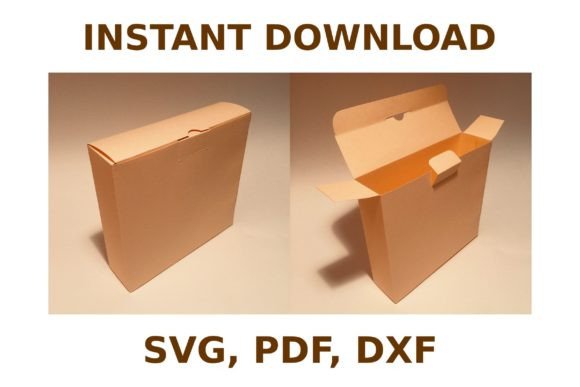
Mailing Box Template: 3D SVG Shapes Review
As a graphic designer who spends half my life tweaking kerning and the other half troubleshooting print files, I approach every new graphic design asset with a healthy dose of skepticism. We have all been there: you download a promising file from a creative marketplace, only to find messy anchor points or incompatible layers. However, when I recently pulled the Mailing Box Template into my workspace for a client’s upcoming product launch, my initial hesitation quickly turned into appreciation for its structural integrity and versatility.
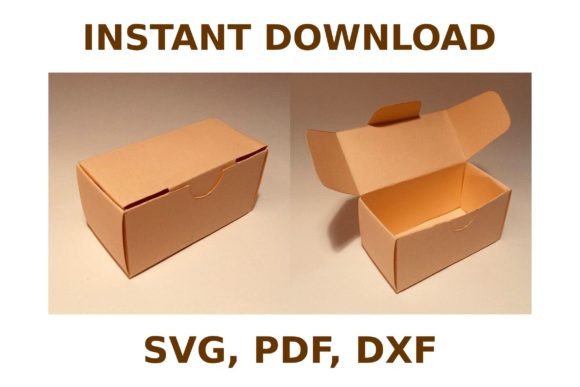
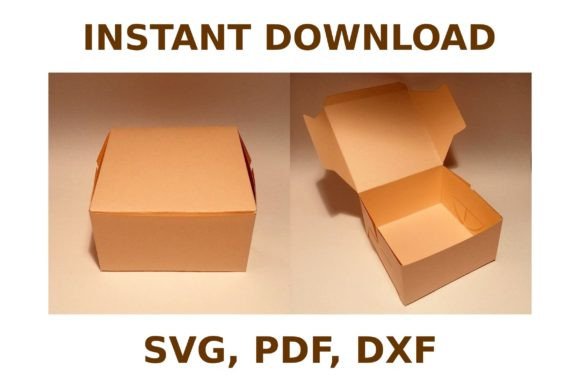
The project at hand was for a boutique skincare brand transitioning from local farmers' markets to online sales. They needed packaging design that felt handmade yet professional. This is where the Mailing Box Template became indispensable. It is not just a simple outline; it is a robust tool for creating tangible brand experiences. The visual mood it creates is one of anticipation and care. In an era where unboxing videos drive significant social media engagement, the physical structure of your package is as important as the logo on the front. This template allows designers to prototype that experience digitally before committing to expensive die-cutting processes.
Structural Integrity in Digital and Physical Spaces
What stands out immediately about this asset is its precision. The ZIP archive contains SVG, DXF, and PDF files, which covers the vast majority of workflows I encounter. For those of us working in vector-based software like Adobe Illustrator or Affinity Designer, the SVG format is pristine. The paths are clean, meaning there is no need to spend hours closing gaps or simplifying nodes. This level of quality control is rare in free or low-cost design assets.
For crafters and small business owners using cutting machines, the compatibility with Silhouette and Cricut is a major selling point. I tested the DXF file in Silhouette Studio, and the cut lines registered perfectly without manual adjustment. This is crucial for handmade business owners who do not have time to troubleshoot software errors. The fact that all templates have been tested for quality gives me confidence recommending this to clients who may be less tech-savvy. Whether you are creating a Cricut project for a wedding favor or a large-scale product mockup for a pitch deck, the reliability of the file format ensures consistency.
Integrating Shapes into Brand Identity
When we talk about Shapes in design, we often think of abstract background elements. However, in this context, the 3D SVG nature of the box template serves a functional purpose in brand identity. It helps visualize how flat graphics translate into three-dimensional objects. I used the template to test how the client’s pastel color palette would look on different panels of the box. This helped us decide where to place the primary logo versus secondary information like ingredients and usage instructions.
This asset performs exceptionally well in scenarios requiring visual hierarchy. Because the template provides a realistic spatial reference, it forces you to consider readability from multiple angles. I found it particularly useful for designing stickers and labels that need to wrap around corners. By placing the design within the template, I could instantly see if the text was getting lost in the folds. This kind of practical application elevates the asset from a simple clipart item to a essential tool for commercial design.
Beyond packaging, the geometric clarity of the template lends itself to various marketing visuals. I have used similar structures to create dynamic layouts for social media graphics, particularly for Instagram posts announcing new product drops. The box shape acts as a frame, drawing the eye to the content inside. It works beautifully as a decorative accent in editorial design or as a central element in web design headers for e-commerce sites. The clean lines complement both serif font choices for a luxury feel and sans serif font options for a modern, minimalist aesthetic.
Where to Use It and Where to Pause
While the Mailing Box Template is versatile, it is not a one-size-fits-all solution. It shines in large layout areas, hero graphics, and themed collections where the structure of the box can be appreciated. It is ideal for printable design projects, such as DIY gift boxes for seasonal campaigns or local events. If you are running an Etsy product shop selling digital downloads, this template is a perfect base for creating unique sublimation design patterns or t-shirt design graphics that feature packaging motifs.
However, caution is advised when using this asset in crowded layouts. Because the box shape has inherent depth and perspective, it can compete with other complex elements. Avoid placing it over busy backgrounds or using it in minimalist branding projects that rely on extreme negative space unless you flatten the perspective significantly. It may also feel out of place in strict corporate materials where flat, two-dimensional iconography is the standard. Always check contrast on light and dark backgrounds; the lines need to be distinct to maintain the illusion of depth.
Practical Designer Notes for Client Work
Before delivering any final files to a client, I always run a series of checks. First, test the design in black and white. If the hierarchy falls apart without color, the design needs refinement. Second, preview the 3D SVG at various sizes. Does it hold up as a small icon on a mobile screen? Does it look crisp on a large poster? Third, place it on real mockups. Digital representations can be deceiving, so seeing how the light and shadow interact with the box shape in a realistic environment is key.
If you are using this for print-on-demand services, ensure you understand the measurements, as they depend on paper size. Always confirm the commercial license terms before using it for a client project. While this template is robust, pairing it with the right typography is essential. I found it pairs well with handwritten font styles for a personal touch or display font styles for bold, attention-grabbing headlines. Avoid overly ornate scripts that might clash with the geometric precision of the box.
In conclusion, the Mailing Box Template is a solid addition to any designer’s toolkit. It bridges the gap between digital creative design and physical production. For small business branding, it offers a cost-effective way to prototype packaging. For marketers, it provides a structured element for digital ads and Pinterest pins. It is a thoughtful, well-executed digital product that respects the user’s time and creative intent. Whether you are a seasoned pro or a budding entrepreneur, this asset supports the creation of polished, professional results that resonate with audiences.