Reviewing the Diamond Favor Box for Embroidery
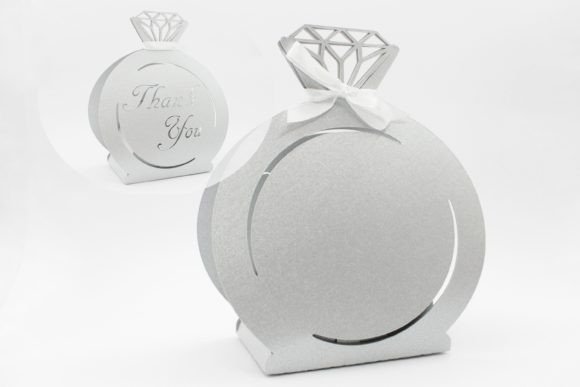
As a designer who has spent years translating digital concepts into thread, I approach every new machine embroidery design with a mix of curiosity and caution. We have all been there: you download a file that looks crisp on the screen, only to find it puckers the fabric or loses its definition once the needle hits the cloth. Recently, I evaluated the Diamond Favor Box, a 3D SVG template primarily marketed for paper crafting and cutting machines like Cricut. My goal was to determine if this geometric shape could translate effectively into the world of textile art, specifically for small business owners and hobbyists looking to expand their product lines beyond standard motifs.
First Impressions: Geometry Meets Texture
The first thing that strikes you about the Diamond Favor Box is its structural clarity. Belonging to the Shapes category, it relies on clean lines and angular precision rather than organic flow. In a digital format, this translates to a modern, minimalist aesthetic. For an embroidery project, this is a double-edged sword. Geometric designs demand perfection; there is no hiding behind fluffy textures or complex shading. The mood it creates is one of elegance and order, making it an ideal candidate for sophisticated events like weddings or high-end boutique branding.
When I visualized this design stitched out, I immediately thought of its potential as a subtle accent rather than a dominant focal point. The "diamond" aspect suggests luxury, while the "favor box" structure implies containment and gift-giving. This duality makes it versatile. It does not scream for attention, which is often exactly what a professional embroidered patch or a custom apparel detail needs. It feels intentional, quiet, and refined.
Real-World Application: From Screen to Stitch
To test the viability of the Diamond Favor Box, I imagined a specific real-life scenario: creating a line of personalized wedding favors for a client who prefers modern minimalism over traditional lace and florals. The client wanted a personalized gift that felt substantial but not overwhelming. I considered using this design on linen tote bags and heavy cotton aprons.
In this context, the design performs surprisingly well. Because it is a 3D SVG originally intended for folding, the lines are distinct. When converted or adapted for embroidery, these lines can be interpreted using a combination of running stitch for outlines and light fill stitch for any shaded facets. On a sturdy fabric like canvas or denim, the angular nature of the diamond box holds up beautifully. It does not distort easily, provided the stitch density is managed correctly. For a sweatshirt embroidery project, I would recommend scaling it down to sit neatly on the chest pocket area, acting as a logo-like emblem that signifies quality without cluttering the garment.
For Etsy sellers and craft business owners, this design offers a unique angle. Most favor box designs are floral or script-heavy. Offering a geometric alternative allows you to target a different demographic—those who appreciate modern architecture and clean lines. It works exceptionally well for holiday embroidery projects, particularly for Valentine’s Day or anniversaries, where the diamond shape subtly echoes the concept of preciousness.
Navigating Technical Challenges
However, practical design judgment requires us to look at where this design might fail. The Diamond Favor Box is not without its risks. The primary concern with any geometric embroidery file is the corner sharpness. In embroidery, tight corners can cause thread bunching or needle breaks if the digitizing is not optimized. If you are adapting this SVG for machine use, you must ensure that the turn points are smoothed slightly to accommodate the physical limitations of the thread.
Furthermore, fabric choice is critical. This design would struggle on highly textured fabrics like thick terry cloth or loose-weave knits. The clean lines would get lost in the noise of the fabric texture. Similarly, on stretchy fabrics like jersey t-shirts, the rigid geometry could cause puckering if the stabilizer is not sufficiently robust. I would advise against using this on curved surfaces like caps unless the design is significantly simplified, as the compound curves of a hat panel will distort the straight lines of the diamond box.
Another consideration is scale. If you attempt to stitch this at a very small hoop size, the details may merge. Tiny lettering or intricate fold lines, if present in the specific version of the file you are using, will become illegible. Always test the design on scrap fabric first. Check the contrast between your thread colors and the fabric. A monochromatic look (white thread on white fabric) can look incredibly chic and tactile, but it requires perfect tension and lighting to be appreciated. Conversely, high-contrast colors will highlight any imperfections in the stitching path.
Enhancing Brand Value and Customer Trust
From a business perspective, the Diamond Favor Box can elevate the perceived value of your handmade product. Consistency in design language builds brand recognition. If your shop specializes in modern, clean aesthetics, incorporating geometric shapes like this reinforces your brand identity. It signals to the buyer that you pay attention to structure and detail.
When used in commercial embroidery projects, such as branded merchandise for corporate clients, this design conveys professionalism. It is not whimsical or childish; it is structured and reliable. This can increase customer trust, as the finished product looks deliberate and high-quality. For small shop product listings, using this design in your printable mockup previews can help customers visualize the end result more clearly, especially if you show it on various items like pillow covers or kitchen towels.
Practical Notes for the Designer
Before you commit to using the Diamond Favor Box in a paid client project or for your Etsy seller inventory, take these practical steps:
- Verify Licensing: Since this is originally a digital embroidery file or SVG for cutting, confirm whether the license allows for commercial use of the stitched output. Some creators restrict the sale of physical items made from their digital assets.
- Test Stitch Density: If you are digitizing this yourself from the SVG, keep the density low. Geometric shapes do not need heavy fill. Use satin stitches for edges if the scale permits, or simple running stitches for a sketch-like effect.
- Check Hoop Compatibility: Ensure the design fits within your standard hoop sizes without requiring excessive re-hooping, which can lead to alignment issues.
- Contrast Testing: Stitch the design on both light and dark fabrics. Geometric designs often rely on negative space, so the background color plays a huge role in how the shape is perceived.
- Stabilizer Selection: Use a cut-away stabilizer for garments that will be washed frequently, such as baby embroidery items or custom apparel. This ensures the geometric lines remain straight over time.
In conclusion, the Diamond Favor Box is a compelling addition to your library of design assets if approached with technical awareness. It bridges the gap between paper crafting precision and textile warmth. By respecting the limitations of thread and fabric, you can transform this simple shape into a sophisticated element that enhances your finished product and delights your customers. It is not just a shape; it is a statement of modern craftsmanship.