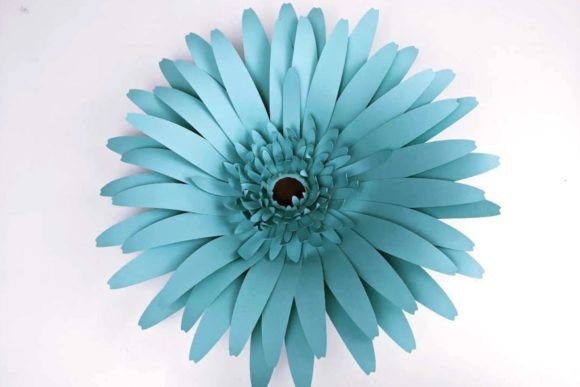
Review: Giant Gerbera Daisy Paper Flower Design
As a designer who has spent countless hours digitizing and stitching thousands of patterns, I have learned that not every pretty picture translates into a quality machine embroidery design. When I first pulled up the Giant Gerbera Daisy Paper Flower file on my screen, my initial reaction was one of cautious optimism. The visual appeal is undeniable; it captures the layered, organic complexity of a real gerbera without looking cluttered. However, for those of us running a craft business or selling on Etsy, aesthetics are only half the battle. The real question is always: how does this actually stitch out?
I decided to put this design through its paces, imagining a specific real-world scenario. A client had requested a custom embroidered tote bag for a spring bridal shower. They wanted something bold, cheerful, and unmistakably floral. This is where the Giant Gerbera Daisy Paper Flower seemed like a strong contender. But before I committed to hooping expensive canvas, I needed to evaluate its structural integrity, stitch density, and versatility across different fabrics.
First Impressions and Visual Personality
The mood this design creates is instantly uplifting. Gerbera daisies are associated with cheerfulness and innocence, making them a safe yet stylish choice for a wide demographic. What stands out in this particular template from SunflowerSummerCo is the balance between detail and simplicity. It avoids the trap of over-digitizing, where too many tiny details cause thread breaks or bird’s nests on the back of the fabric.
The layout feels natural. The petals radiate with a sense of movement, which is crucial for a flower design. If the petals look too static or symmetrical, the final product can feel stiff and manufactured. This design maintains a hand-drawn quality that aligns perfectly with the current trend toward authentic, handmade product aesthetics. For an Etsy seller, this visual personality is a significant asset. It looks professional but approachable, which helps build customer trust.
Performance in Real-Life Embroidery Scenarios
To truly test the Giant Gerbera Daisy Paper Flower, I considered its application across various common projects. Here is how I foresee it performing in different contexts:
- Sweatshirt Embroidery: This is arguably the best use case. The bold lines of the daisy hold up well against the textured surface of fleece or cotton blends. The design’s size allows it to be a statement piece on the chest or back without getting lost in the fabric pile.
- Tote Bag Design: On heavy canvas, the design shines. The sturdy nature of the bag supports the weight of the stitching. It makes for an excellent personalized gift or a standout item in a small shop product line.
- Baby Embroidery: While cute, I would exercise caution here. Ensure the stitch density is not too high, as baby skin is sensitive. If used on a onesie, place it carefully to avoid irritation.
- Embroidered Patch: This design would translate beautifully into a patch. The clear outlines make it easy to cut and finish, adding value to jackets, hats, or bags.
For commercial embroidery projects, consistency is key. This design appears robust enough to handle repeated production runs, provided you maintain consistent tension and stabilizer usage. It is versatile enough to fit into seasonal collections, particularly for holiday embroidery themes in spring and summer.
Technical Considerations and Fabric Compatibility
No design is universal, and the Giant Gerbera Daisy Paper Flower is no exception. There are specific scenarios where you need to proceed with care. Understanding these limitations is what separates amateur hobbyists from professional designers.
Fabric Texture and Type: On thin or stretchy fabrics, such as jersey knits or silk, this design requires serious stabilization. Without a proper cut-away stabilizer, the weight of the stitches could cause the fabric to pucker, distorting the delicate petal shapes. On dark fabrics, you must check your thread color contrast. A white daisy on black fabric looks striking, but ensure your underlay stitches are sufficient to prevent the background fabric from peeking through the fill areas.
Hoop Size and Placement: Before starting, confirm the hoop size required. This is a "giant" flower, so it likely needs a 5x7 or larger hoop. Attempting to shrink it down for a small 4x4 hoop might result in lost detail and increased stitch density, which can lead to thread breaks. Always check the actual dimensions of the embroidery file before purchasing or stitching.
Stitch Density and Types: Look closely at the preview. Does it use primarily satin stitch for the petals, or fill stitch? Satin stitches offer a shiny, smooth finish but can snag easily on items that will be washed frequently. Fill stitches are more durable but can look flat if not digitized with varied angles. A mix of running stitch for outlines and fill for centers often provides the best balance of durability and visual interest.
Enhancing Product Value and Brand Consistency
Using a high-quality design like the Giant Gerbera Daisy Paper Flower directly impacts your brand perception. When customers receive a finished product with clean, crisp stitching, they associate that quality with your brand. This leads to repeat business and positive reviews.
For digital product sellers, this design can also serve as a valuable asset in printable mockup creation. Showing the design on various items helps potential buyers visualize the end result, increasing conversion rates. Whether you are creating custom apparel or home decor like pillow covers and tea towels, the professionalism of the design reflects on your business.
Practical Designer Notes for Best Results
Before you commit to a full production run, follow these practical steps to ensure success:
- Test on Scrap Fabric: Always stitch a test sample on the same type of fabric you plan to use for the final product. This reveals any tension issues or puckering.
- Check Thread Colors: Experiment with different thread palettes. While traditional gerberas are bright, muted tones can create a sophisticated, modern look for boutique branding.
- Inspect Small Details: Zoom in on the center of the flower. Are the stitches too dense? Adjust your machine tension if necessary.
- Verify Licensing: If you plan to sell items made with this design, confirm the license terms with SunflowerSummerCo. Ensure you have the right to use it for commercial purposes.
- Mockup Testing: Create black and white mockups to check the contrast and clarity of the design elements without the distraction of color.
In conclusion, the Giant Gerbera Daisy Paper Flower is a promising addition to any designer’s library. It offers a blend of artistic charm and technical feasibility that suits a wide range of embroidery project types. By paying attention to fabric choice, stabilization, and stitch quality, you can leverage this design to create stunning, high-value products that resonate with customers. Whether you are a seasoned apparel decorator or a emerging creative entrepreneur, this design deserves a spot in your toolkit, provided you approach it with the practical judgment it requires.