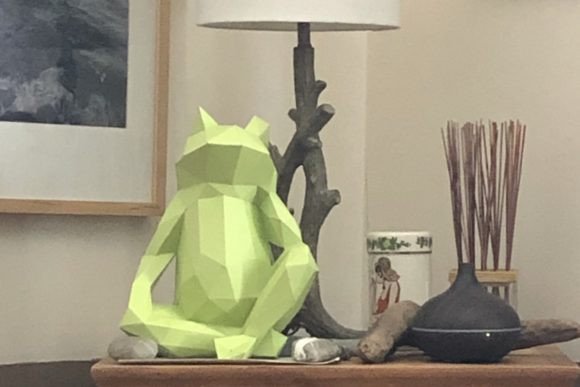
Bored Frog 3D SVG: Animals Asset Review
As a graphic designer who has spent the better part of a decade refining brand identities and preparing print-ready files for small business clients, I have developed a keen eye for what makes a digital asset truly viable. We are constantly bombarded with graphic design assets that look promising in thumbnails but fail under the scrutiny of real-world application. Recently, I integrated the Bored Frog Paper Sculpture into a branding package for a boutique children’s educational brand, and the results offered valuable insights into how niche illustrations can elevate a project when used with intention.
The first impression of this asset is its distinct textural quality. Unlike flat, vector-only cartoons, this piece mimics the tactile depth of layered papercraft. The visual mood it creates is whimsical yet grounded, striking a balance between playful charm and artistic sophistication. For a client looking to establish a handmade business aesthetic, this style communicates care and craftsmanship without appearing amateurish. It fits naturally within projects targeting families, educators, or lifestyle brands that value organic, approachable visuals over corporate sterility.
Integrating Whimsy into Professional Brand Identity
In the context of small business branding, consistency is key, but so is personality. I tested the Bored Frog Paper Sculpture across various touchpoints for my client’s launch. The asset performed exceptionally well in packaging design, specifically on sticker labels for product jars. The layered shadow effects inherent in the 3D SVG format gave the printed stickers a premium, embossed look even when printed on standard vinyl. This is a crucial detail for print-on-demand sellers who need their products to stand out in a crowded creative marketplace like Etsy.
Beyond packaging, the illustration served as a strong hero graphic for social media graphics. When placed against soft, pastel backgrounds, the frog became the focal point of Instagram posts and Pinterest pins, driving higher engagement due to its unique character. The "bored" expression adds a layer of relatable humor, which is effective for marketing visuals aimed at parents or teachers who appreciate a touch of wit. However, designers must be mindful of visual hierarchy. Because the paper sculpture style involves multiple layers and shadows, it can visually compete with text if not spaced correctly. I found that giving the asset ample white space allowed it to breathe, ensuring the accompanying typography remained legible.
Versatility Across Digital and Physical Mediums
One of the strongest arguments for adopting this type of digital product is its versatility. I explored its utility in several areas beyond static branding. For Cricut project enthusiasts, the SVG format is invaluable. It allows crafters to cut individual layers from different colored cardstocks, creating actual physical sculptures for home decor. This dual utility—working as both a digital clipart for web design and a template for physical crafts—makes it a high-value addition to any design bundle.
In terms of web design and editorial design, the asset works best as a decorative accent rather than a background pattern. Its complexity means it can clutter a layout if repeated too frequently. I used it successfully in a blog header for an article about nature-inspired learning activities. The illustration anchored the top of the page, providing a clear thematic cue without overwhelming the reader. For t-shirt design and sublimation design, the asset requires careful color separation. While the pre-rendered PNGs are ready for direct printing, the SVG allows for customization of each paper layer’s color, enabling designers to match specific brand palettes or seasonal themes.
Strategic Limitations and Design Caution
While the Bored Frog Paper Sculpture is a robust asset, it is not a universal solution. There are specific scenarios where its use should be approached with caution. For instance, in minimalist corporate branding or high-end luxury sectors, the playful, textured aesthetic may clash with the desired tone of exclusivity and seriousness. Similarly, when working with logo design, this level of detail is often too complex for small-scale applications like favicons or social media profile pictures. At smaller sizes, the intricate paper layers merge into a muddy shape, losing the definition that makes the design appealing.
Designers should also be wary of placing this asset on busy or low-contrast backgrounds. The subtle shadows that create the 3D effect can disappear against dark or patterned surfaces, flattening the image and reducing its impact. I recommend testing the asset on both light and dark mockups to ensure visibility. Furthermore, when pairing with typography, avoid overly decorative script fonts that might compete with the illustration’s intricacy. A clean sans serif font or a simple handwritten font usually provides the best balance, allowing the frog to remain the star while maintaining readability.
Practical Designer Notes for Commercial Use
Before delivering any final files to a client, I always run a series of technical checks. For the Bored Frog Paper Sculpture, this involved verifying the integrity of the SVG design nodes. Ensuring that all paths are closed and layers are properly named saves significant time during customization. I also inspected the PNG design files for transparency issues, confirming that there were no stray pixels around the edges that could look unprofessional on colored backgrounds.
Another critical step is confirming the commercial license. As this quality template is created by Sofs Design, understanding the usage rights is essential for commercial design projects. Whether you are creating stickers, mugs, or tote bags for sale, ensuring you have the right to use the asset in end-products is non-negotiable. I also recommend previewing the design in black and white. This test reveals whether the contrast levels are sufficient for single-color printing methods, such as screen printing or laser engraving, which are common in merchandise production.
Ultimately, the Bored Frog Paper Sculpture is a compelling choice for designers working on projects that benefit from warmth, texture, and character. It supports the narrative of Animals in a way that feels fresh and modern, moving away from cliché cartoon styles. By understanding its strengths in product mockups and printable design, and respecting its limitations in small-scale or minimalist contexts, designers can leverage this asset to create polished, engaging, and commercially viable work. It is a testament to how a well-crafted creative design element can bridge the gap between digital convenience and tangible artistic appeal.